When America Steps Back, Nigeria Feels the Strain
At a small clinic in Abuja, Jane Joseph normally collects her monthly supply of HIV medication, part of a long-standing U.S.-backed health program that has kept life-saving drugs accessible for years. Now, with Washington stepping back from international commitments, she wonders aloud: “If the medicine stops coming, what happens to people like me?”
Her question echoes across Nigeria in anxious voices.
In Maiduguri, Corporal Olatunde Adebayo prepares for another patrol on the fringes of Boko Haram territory. His unit has benefited from U.S. military training and intelligence support. “If America leaves these global fights,” he says, adjusting his rifle strap, “we will be more alone against enemies who never rest.”
For Chinonso Eze, a university student in Enugu, the concern is education. His hopes for scholarships and international exchanges are tied to U.S.-funded institutions. With Washington retreating from UNESCO and similar multilateral platforms, those dreams appear to be fading. “It feels like doors are closing before I even knock,” he laments.
And on a rugged Plateau farm road, Musa Bello loads baskets of tomatoes bound for Lagos. His income depends on trade agreements shaped within organizations like the World Trade Organization (WTO). “If the big countries start walking away,” he says, “who will protect farmers like us from being swallowed by bigger markets?”
A Shifting World Order
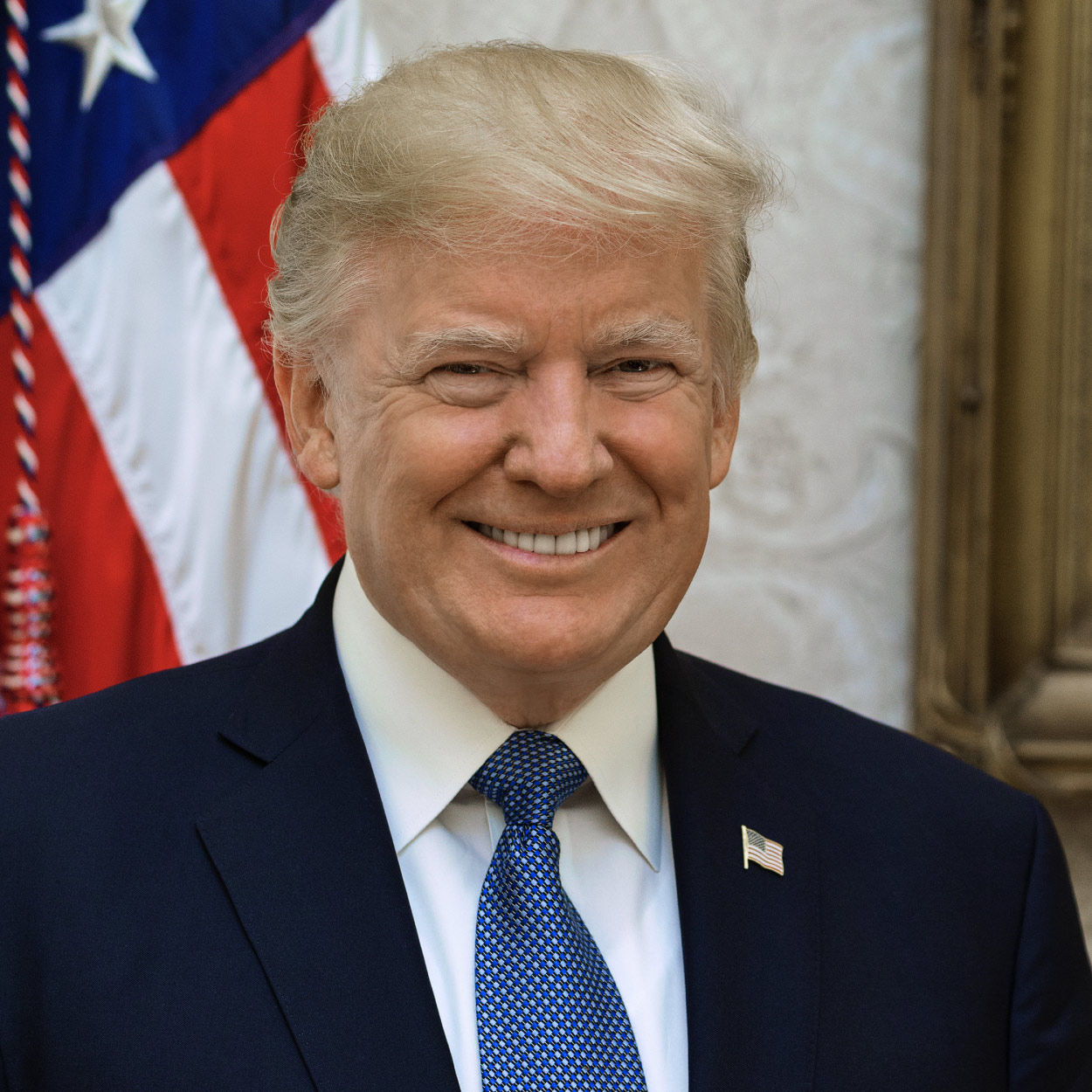
Former U.S. President Donald Trump’s decision to pull America back from key international bodies—whether the UN, WHO, or WTO—has reshaped global rules. For Nigeria, Africa’s largest economy and most populous nation, the effects are not abstract: they play out daily in medicine shelves, farm roads, classrooms, and conflict zones.
With the U.S. stepping aside, influence tilts toward China, Russia, and the European Union. Nigeria may have to seek new partnerships—accepting more infrastructure loans from Beijing, sourcing military hardware from Moscow, or deepening reliance on African regional blocs. Yet such alternatives often carry heavier strings and less transparency.
The Bottom Line for Nigerians
For Abuja’s policymakers, Washington’s retreat presents a diplomatic puzzle. For ordinary Nigerians, it is deeply personal.
- For Jane, the question is whether her life-saving drugs will keep arriving.
- For Corporal Olatunde, it is about whether his unit can rely on global support against insurgents.
- For Chinonso, it is whether a scholarship dream dies before it begins.
- For Musa, it is whether his tomatoes can still compete in fair markets.
As America looks inward, Nigeria stands at a crossroads—forced to adapt quickly to a shifting world order where old guarantees no longer hold. The question is not whether Nigeria will survive the change, but whether it can seize the chance to lead or risk being swept aside by it