Obi, Kwankwaso Dump ADC, Join NDC Ahead of 2027 Realignments
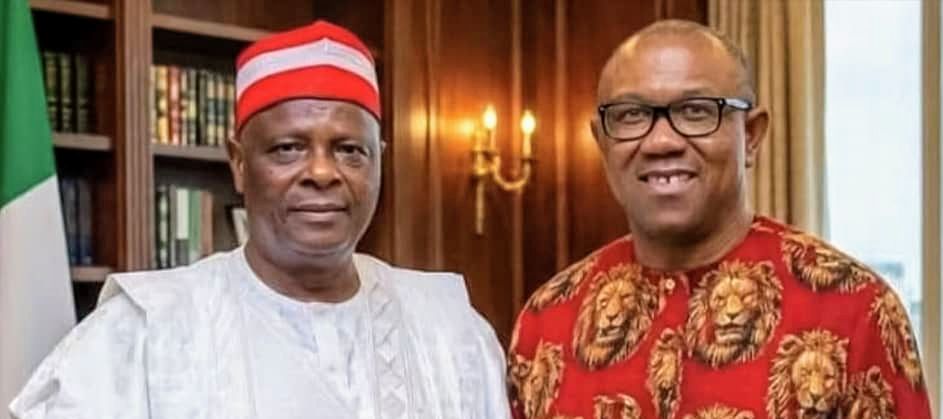
Former Labour Party presidential candidate, Peter Obi, and ex-Kano State governor, Rabiu Kwankwaso, have formally defected from the African Democratic Congress (ADC) to the Nigeria Democratic Congress (NDC), urging party members to shun litigation and focus on national development.
The opposition heavyweights made their move public on Sunday in Abuja during a well-attended reception ceremony, signaling a new phase in the ongoing political realignments ahead of the 2027 general elections.
Obi announced his resignation from the ADC—barely months after joining the party—and declared his commitment to the NDC, citing the need for a stable and crisis-free political platform.
Addressing party leaders and supporters, he said their decision was driven by the desire to build a united, secure, and prosperous Nigeria.
“We are joining a peaceful family committed to building a Nigeria that works for everyone,” Obi stated. “We must move away from internal conflicts and focus on national progress.”
He emphasized the importance of unity, praising Kwankwaso’s contributions to education and poverty alleviation, while reiterating their shared vision of a country where merit prevails over connections.
Obi, however, accused the current administration of fueling instability within opposition parties, alleging that persistent crises and legal battles had forced repeated defections.
“The political space has been riddled with crises and endless litigation. We moved from one platform to another seeking stability, only to encounter the same challenges,” he said.
He appealed to party members and the judiciary to avoid unnecessary legal disputes, stressing that such distractions hinder meaningful governance.
“We don’t want litigation. We want to focus on building Nigeria. Let lawyers practice their profession elsewhere—politics should serve the people,” he added.
In his remarks, Kwankwaso said their engagement with NDC leadership revealed strong alignment in ideology, particularly in education, youth empowerment, security, and national unity.
“We are on the same page. This platform reflects our vision for a peaceful and progressive Nigeria,” he said.
He called on Nigerians, including those in the diaspora, to register with the party ahead of its upcoming membership deadline, while also rallying his political base—including members of the Kwankwasiyya movement—to join the NDC.
The duo received their membership cards amid cheers from supporters following a closed-door meeting with party leaders.
Earlier, former Adamawa State governorship candidate, Aishatu Binani, described their defection as a major boost to the party’s grassroots strength, particularly among youth and women.
Welcoming the new entrants, NDC National Leader, Seriake Dickson, said the development underscored the party’s growing national appeal.
“Both of you are not just individuals—you are movements. The crowd has followed you here,” he said, assuring them of a platform anchored on integrity, transparency, and inclusiveness.
The defection followed a strategic meeting at Dickson’s residence in Guzape, Abuja, where both leaders finalized their decision. Their arrival was met with chants of “O-K is okay” from enthusiastic supporters.
Notable political figures present included Nasiru Gawuna, Kabir Marafa, Victor Umeh, and Binani.
Obi’s exit from the ADC marks another twist in Nigeria’s evolving opposition landscape, characterized by shifting alliances and efforts to form a formidable coalition against the ruling All Progressives Congress (APC).
In a statement shared via X, Obi clarified that his departure was not due to personal grievances with party leaders such as David Mark or Atiku Abubakar, but rather the toxic political environment and persistent internal conflicts.
He lamented that recurring disputes, court cases, and divisions within parties were diverting attention from pressing national issues.
Meanwhile, the Obidient Movement has reaffirmed its support for Obi, insisting that attempts to weaken his political influence have instead strengthened his grassroots appeal nationwide.
Reacting to the development, the Presidency dismissed Obi’s move, with presidential aide Bayo Onanuga describing him as a “political nomad” and questioning his consistency.
Similarly, APC National Publicity Secretary Felix Morka criticized Obi’s history of party defections, arguing that sustainable political leadership requires long-term commitment to party structures.
As political actors continue to reposition ahead of 2027, the Obi-Kwankwaso alliance within the NDC is expected to reshape opposition dynamics and intensify coalition-building efforts in the months ahead.