Lagos Moves to Tackle Doctor Shortage with New Medical University Bill
The Lagos State House of Assembly (LSHA) has taken a bold step to address the acute shortage of medical professionals by advancing a bill for the establishment of a new University of Medicine and Health Sciences.
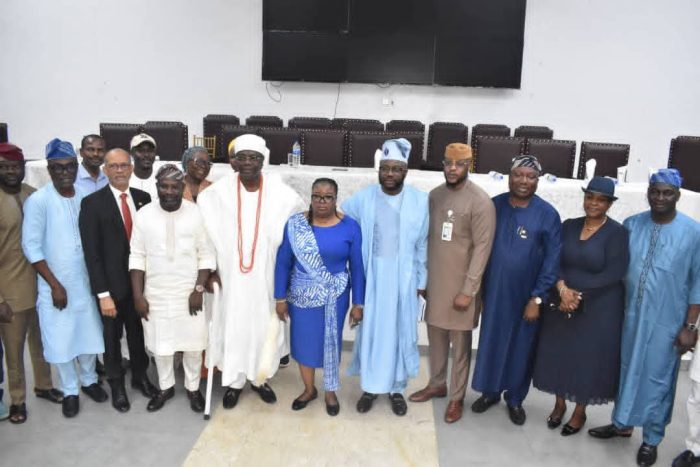
At a public hearing held on Wednesday at the Lateef Jakande Auditorium in the Assembly complex, stakeholders from across the healthcare and education sectors gathered to deliberate on the bill.
Presiding over the session, Deputy Speaker Hon. Lasbat Meranda emphasised the value of inclusive dialogue, stressing that stakeholder contributions will help ensure the new multi-campus institution becomes a sustainable legacy for Lagos.
The Deputy Majority Leader, Hon. Richard Kasunmu, and the Chairman of the House Committee on Tertiary Education, Hon. Owolabi Ajani, assured participants that all memoranda and submissions would be carefully reviewed before the final draft of the bill is passed.
Clarifying the intent behind the legislation, Commissioner for Tertiary Education, Mr. Tolani Sule, explained that the proposal was not merely a renaming of the existing LASU College of Medicine (LASUCOM). Instead, it represents a deliberate effort to establish a world-class institution capable of training and deploying medical and health professionals across Lagos and beyond.
Also speaking, the Commissioner for Health, Professor Akin Abayomi, highlighted the urgent need to bridge the gap between the state’s rapidly growing population and its limited pool of medical practitioners. He noted that the university would not only build human capacity within the healthcare sector but also help curb the emigration of Nigerian doctors, a challenge that continues to drain the country’s health workforce.
“This initiative is about capacity building. By training more doctors and health professionals locally, we reduce the pressure of medical brain drain and strengthen healthcare delivery for Lagos residents,” Professor Abayomi said.
The public hearing drew broad participation from medical professionals, academics, traditional rulers, and students, who offered insights and recommendations on how best to structure the proposed university for maximum impact.
If passed, the bill is expected to mark a significant milestone in Lagos’s long-term healthcare strategy, positioning the state as a leading hub for medical education, research, and innovation in Nigeria.