Lagos Seeks Investor Partnerships in Solid Waste Management — Wahab

The Lagos State Government has declared its readiness to partner with investors in waste-to-energy, waste-to-wealth, and liquid waste management, as part of its drive toward sustainable urban living and climate resilience.
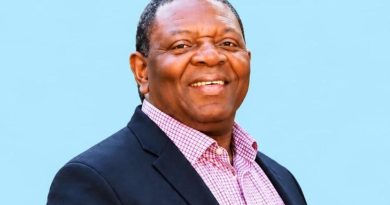
The commitment was made by the Commissioner for the Environment and Water Resources, Mr. Tokunbo Wahab, over the weekend during a panel session at Harvard University’s Climate Action Week, themed “Rising Seas, Resilient Communities, Climate Adaptation Strategies in West Africa.”
Wahab highlighted Lagos’ dual Climate Adaptation and Climate Resilience Plans, which frame its environmental policies, adding that the state has already conducted two pre-feasibility studies on waste-to-energy and wastewater projects.
“We now see waste as a resource — for wealth and for energy. The quantum of waste ending up in our landfills will become very minimal as we convert waste into better resources,” he said.
With a population of over 20 million generating 13,000 metric tonnes of waste daily, Lagos faces immense pressure but is adopting a climate-friendly approach. Wahab cited a contractual agreement with a Ghanaian firm, signed 18 months ago, which will process 4,000 tonnes of waste daily into composite fertilisers, recyclable plastics, and transfer stations. If successful, the project could enable the decommissioning of major landfills such as Olusosun and Solous.
The Commissioner also outlined Lagos’ wider climate challenges as a coastal city exposed to sea level rise, flooding, and excessive heat, stressing that the government is:
- Investing in resilient drainage systems.
- Enforcing Environmental Impact Assessments (EIA) for reclamation projects.
- Prosecuting those who encroach on floodplains or damage ecosystems.
He noted that Lagos’ landmass has grown from 3,577 sq. km to 4,050 sq. km due to aggressive land reclamation, underscoring the need for stringent planning to manage stormwater discharge and preserve ecological balance.
“We cannot do it alone. We need strong partnerships with innovators, financiers, and development agencies,” Wahab concluded, urging global investors to see Lagos as a hub for circular economy solutions in Africa.