Sanwo-Olu, South-West Stakeholders Push for Indigenous Solutions, Technology to Combat Insecurity
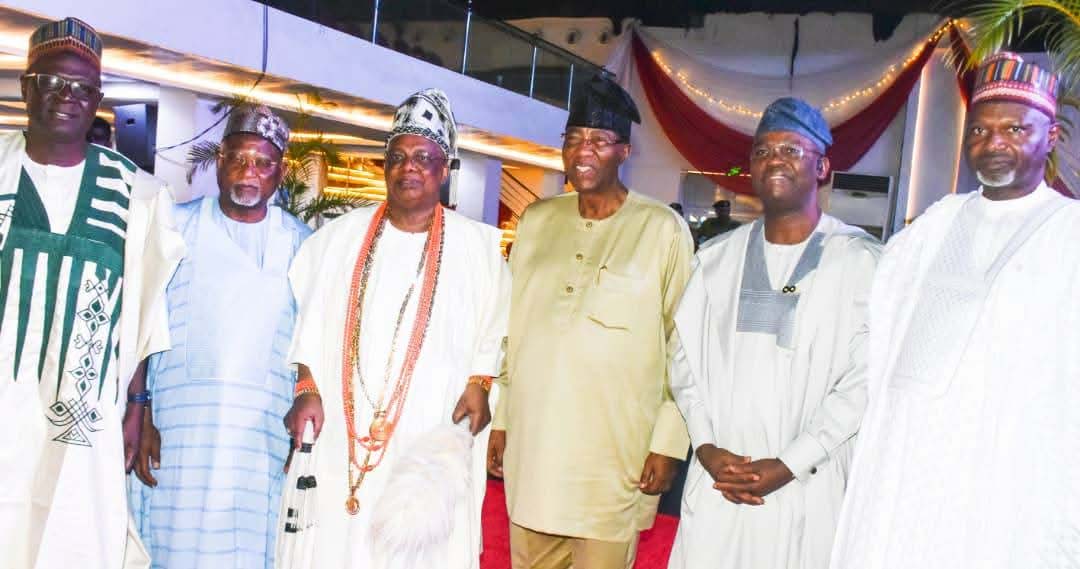
Lagos State Governor, Babajide Sanwo-Olu, alongside key stakeholders from security agencies, government institutions, civil society, and traditional councils, on Friday renewed calls for the adoption of indigenous security strategies, advanced technology, and state policing to address Nigeria’s worsening security challenges.
The call was made during the South-West Zonal Security Summit organised by the Senate Ad-hoc Committee on National Security, in collaboration with the Lagos State Government. The summit, held in Ikeja, brought together representatives from South-West states, legislators led by Senator Adetokunbo Abiru, serving and former public officials, heads of security agencies, and leaders of traditional, religious, and political institutions.
Speaking through the Executive Secretary of the Lagos State Security Trust Fund, Dr. Ayodele Ogunsan, Governor Sanwo-Olu reaffirmed his administration’s resolve to strengthen security architecture across Lagos. He also emphasised the need for a unified regional security approach.
“As governors of this region, we must recommit to a regional security framework, including transforming Amotekun into a more unified, well-equipped, technology-driven command capable of cross-state intelligence sharing and joint operations,” he said.
The governor stressed that security is inseparable from economic survival, noting that disruptions from insecurity harm markets, transportation, farmlands, and investor confidence. He called for enhanced early-warning systems, improved surveillance, and stronger community engagement, including partnerships with youth groups, transport unions, farmers, and vigilante networks.
He assured the Senate Ad-hoc Committee of Lagos State’s full cooperation, expressing readiness to work closely with neighbouring states, traditional rulers, and security agencies to safeguard the region’s future.
Senator Abiru, Chairman of the South-West zonal hearings of the National Security Summit, described the event as part of a nationwide consultation taking place across all six geopolitical zones. He warned that despite experiencing less terrorism than other regions, the South-West is facing rising incidents of banditry, kidnapping, violent crime, farmer-herder conflicts, and incursions by armed groups.
“If decisive action is not taken, the danger could spill fully into the South-West,” he cautioned. “We must use every resource—human, material, and technological—to defend our communities.”
He urged the media to view national security as a patriotic duty and to avoid narratives that inflame ethnic or religious divisions.
Senator Ibrahim Jimoh, sponsor of the bill establishing the National Security Summit, highlighted the need for non-conventional approaches that integrate both military and civilian components in tackling terrorism and insurgency. Senator Gbenga Daniel also called for strengthened collaboration among all stakeholders.
In his presentation, the Lagos State Commissioner of Police, Moshood Jimoh, commended Governor Sanwo-Olu’s consistent support, which he said has significantly boosted police operations across the state. He emphasised that security challenges are inherently local and require community-driven responses.
Traditional rulers, represented by the Alara of Ilara in Epe, Oba Olufolarin Ogunsanwo, advocated community policing, wider deployment of modern technology, a joint security task force, expanded recruitment, improved funding, and better equipment. He also stressed the need to create employment opportunities to curb youth restiveness.
The Aare Onakakanfo of Yorubaland, Iba Gani Adams, reiterated that state policing remains central to resolving Nigeria’s security crisis.
Representatives of civil society organisations, women and youth groups, and Christian and Islamic leaders also called for improved welfare for security personnel, noting that a motivated force is essential for effective service delivery.