Igbo Diaspora Rulers in South-West Deny ‘Vacating Eze Thrones’
… Insist Title Change to “Onyendu” mere Nomenclature
Traditional rulers of Igbo extraction in the South-West have dismissed reports claiming that about 30 holders of the Eze Ndigbo title in Lagos and Ogun states have vacated their thrones and reduced their status to that of ordinary chiefs.
The rulers, operating under the aegis of the South-West and South-South Traditional Rulers in Diaspora, described the reports as false and misleading, stressing that the adoption of the title “Onyendu Ndigbo” represents only a change in nomenclature and not a surrender of authority or leadership positions.
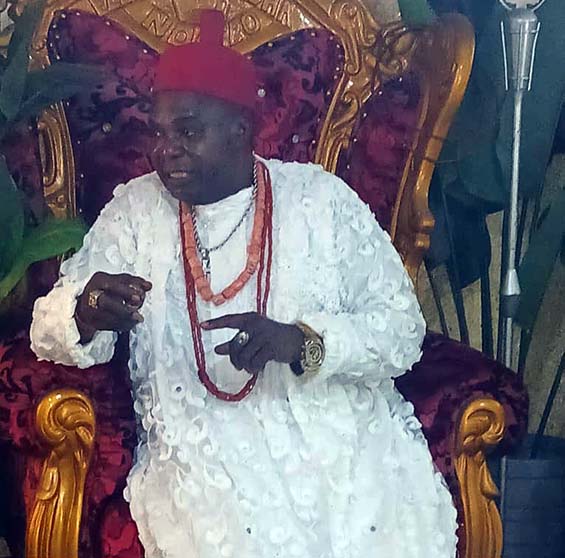
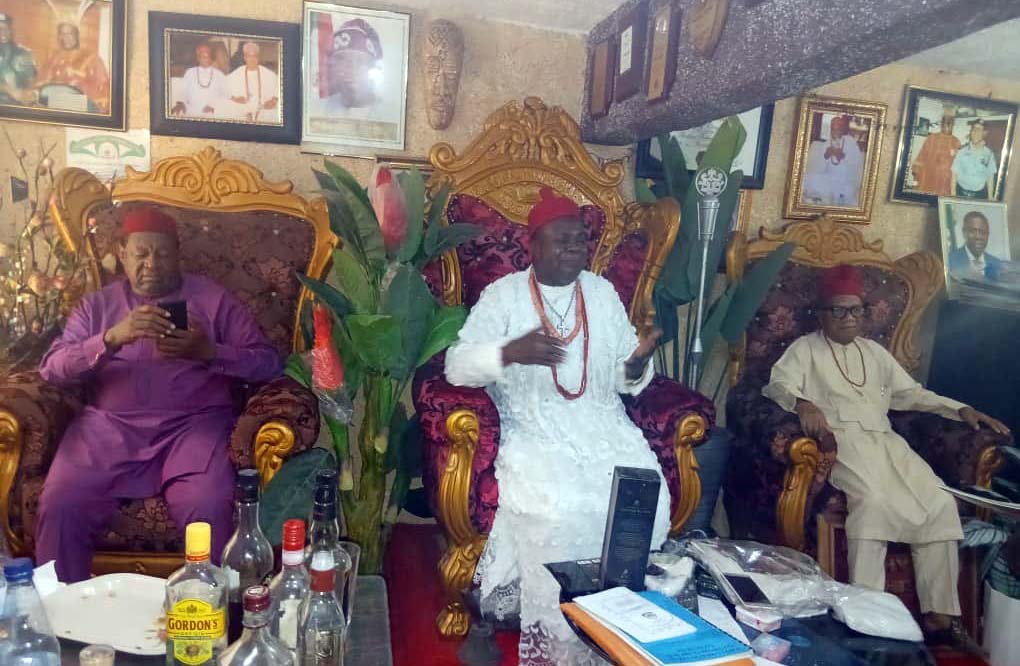
President of the group, Onyendu John-Greg Okey Ezebuadi, said he was surprised by what he described as the “desperation and ignorance” behind the circulating narrative, insisting that no throne had been declared vacant.
“There is no vacant throne and there has been no reduction in the status of former Eze Ndigbo. What we have done is simply adopt a new nomenclature — Onyendu Ndigbo — while maintaining our leadership roles within our respective domains,” he clarified.
Ezebuadi explained that the decision followed directives from the South-East Council of Traditional Rulers, led by His Royal Highness, Eze Emmanuel C. Okeke, as well as recent pronouncements by the Lagos State Government regarding the use of the Eze Ndigbo title.
According to him, the change was adopted in compliance with these directives and to clearly distinguish between traditional rulers in the South-East and Igbo leaders serving diaspora communities.
The clarification comes after an online publication reported that 30 Ndiezes in Lagos and Ogun states had renounced their titles following a letter allegedly written by Ezebuadi to the South-East traditional rulers’ council.
Part of the letter reportedly stated that members of the association had voluntarily adopted the title “Onyeisi Ndigbo na Uzo Ije” for Igbo leaders in the South-West zone.
Responding to the interpretation of the letter, Ezebuadi said the decision was misunderstood.
“We did not denounce our leadership roles as Eze Ndigbo. Rather, we resolved to adopt the title Onyendu Ndigbo while continuing to serve as leaders of our communities in the diaspora,” he explained.
He further rejected claims that holders of the Eze Udo title within the group had been reduced to the status of ordinary chiefs, noting that members of the association were duly crowned through processes recognized by Ohanaeze Ndigbo, the apex socio-cultural organization of the Igbo worldwide.
To illustrate his point, Ezebuadi referenced earlier changes in nomenclature within the Igbo leadership structure, asking whether the late Eze Hyacinth Nwabueze Ohazulike was asked to vacate his throne during the 2010 reorganization under the leadership of former Ohanaeze President-General, Ambassador Ralph Uwaecheu.
Speaking on peaceful coexistence with host communities, the Igbo leader said the adoption of the new title was also intended to foster better relations with local authorities and traditional institutions in the South-West.
He noted that the Lagos State Government had recently prohibited the use of the Eze Ndigbo title, a development he attributed partly to alleged abuses and misrepresentation by individuals claiming royal status without proper authorization.
Ezebuadi expressed concern that the revered Ezeship institution had been undermined by individuals who allegedly crown themselves or others without following due processes.
According to him, becoming a recognized Igbo traditional leader in the diaspora traditionally involves rigorous screening, including verification from the candidate’s home community and its traditional ruler to confirm that the individual holds a legitimate chieftaincy title and has contributed meaningfully to the community.
He lamented that some individuals now allegedly issue certificates and crowns for as little as ₦80,000 or ₦100,000, thereby eroding the dignity of the institution.
“These actions have desecrated a once-respected institution,” he said, warning that such practices create unnecessary tensions between Igbo communities and host traditional institutions.
Ezebuadi added that adopting the Onyendu title would help authorities identify legitimate Igbo leaders in the diaspora while isolating those he described as “recalcitrant elements” whose activities undermine community harmony.
He also stated that members of the association include prominent and well-established individuals in Lagos State who are committed to responsible leadership.
“We do not intend to join issues with those spreading falsehoods,” he said. “Our aim is simply to set the record straight. Going forward, we will not respond to further provocations.”