King Charles Hosts Tinubu at Windsor Banquet, Signals New Chapter in UK–Nigeria Ties
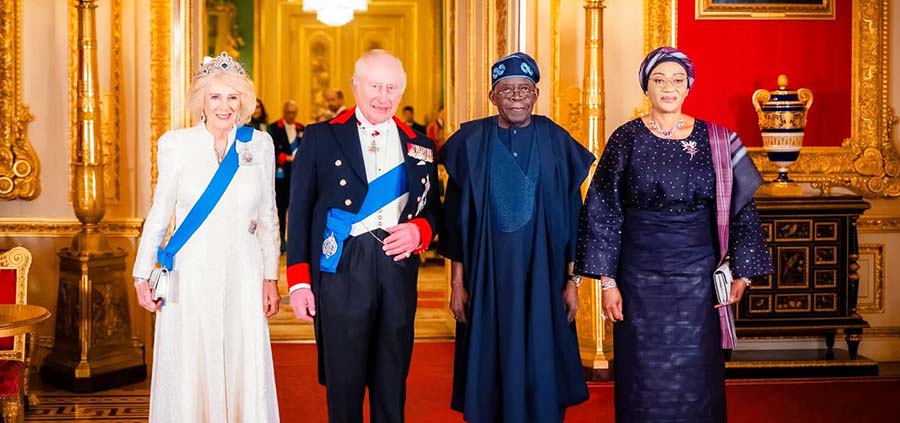
In a display of ceremony and symbolism, King Charles III hosted Nigeria’s President, Bola Ahmed Tinubu, and First Lady Oluremi Tinubu at a state banquet in Windsor Castle, underscoring a renewed commitment to partnership between both nations.
Held in the grandeur of St George’s Hall, the banquet brought together 160 distinguished guests, including senior members of the British royal family such as Queen Camilla and William, Prince of Wales alongside the Princess of Wales. Notable figures from the worlds of sports, arts and science were also in attendance, reflecting the cultural breadth of the UK–Nigeria relationship.
In a gesture that resonated deeply, the King opened his remarks with greetings in Yoruba, later describing Nigeria as “an economic powerhouse, a cultural force and an influential diplomatic voice.” He praised the Nigerian diaspora in the UK as a “living bridge” between both nations—an enduring link of people, culture and enterprise.
The evening carried quiet adaptations in recognition of the holy month of Ramadan. A prayer room was provided within the castle, and the traditional state visit lunch was omitted. Even the ceremonial cocktail—dubbed the “Crimson Bloom”—was crafted as a non-alcoholic blend, combining zobo with English rose soda, hibiscus and ginger syrup, symbolising a fusion of both cultures.
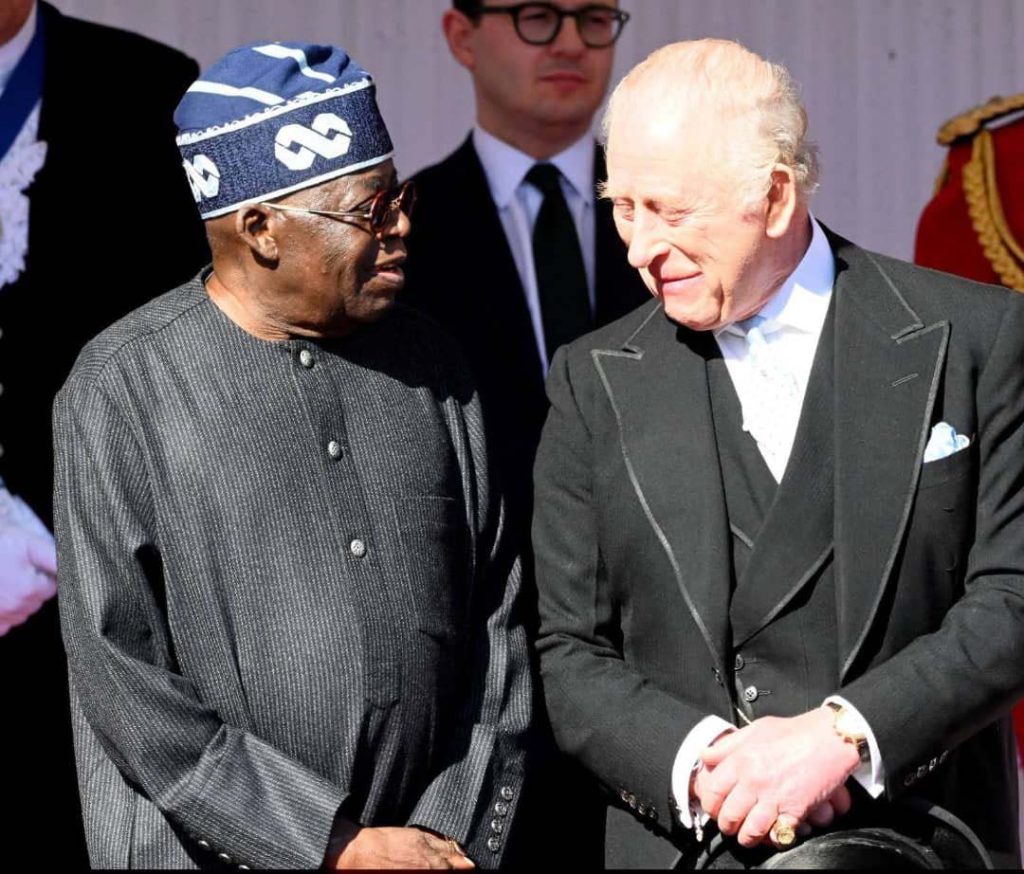
Beyond the pageantry, the King’s speech struck a reflective tone. Acknowledging the “painful marks” of shared history rooted in colonialism, he avoided platitudes, instead expressing hope for a future shaped by mutual respect and shared purpose. He emphasised the necessity of religious tolerance, urging that “people of different faiths can, do, and must live alongside one another in peace.”
The banquet also highlighted Nigeria’s growing cultural influence, with references to Afrobeats energising British concert halls and Nollywood captivating global audiences—subtle affirmations of Nigeria’s soft power on the world stage.
Among the guests were prominent Nigerians and Britons, including Prime Minister Keir Starmer, alongside leading figures in sports, literature and entertainment, reflecting the interconnected human story beneath diplomatic ties.
Earlier in the day, President Tinubu and his wife were accorded full ceremonial honours, including a carriage procession, military parade and gun salute within the castle grounds. In return, the Nigerian delegation presented culturally significant gifts, including a Yoruba statuette and a jewellery box celebrating notable Nigerian women.
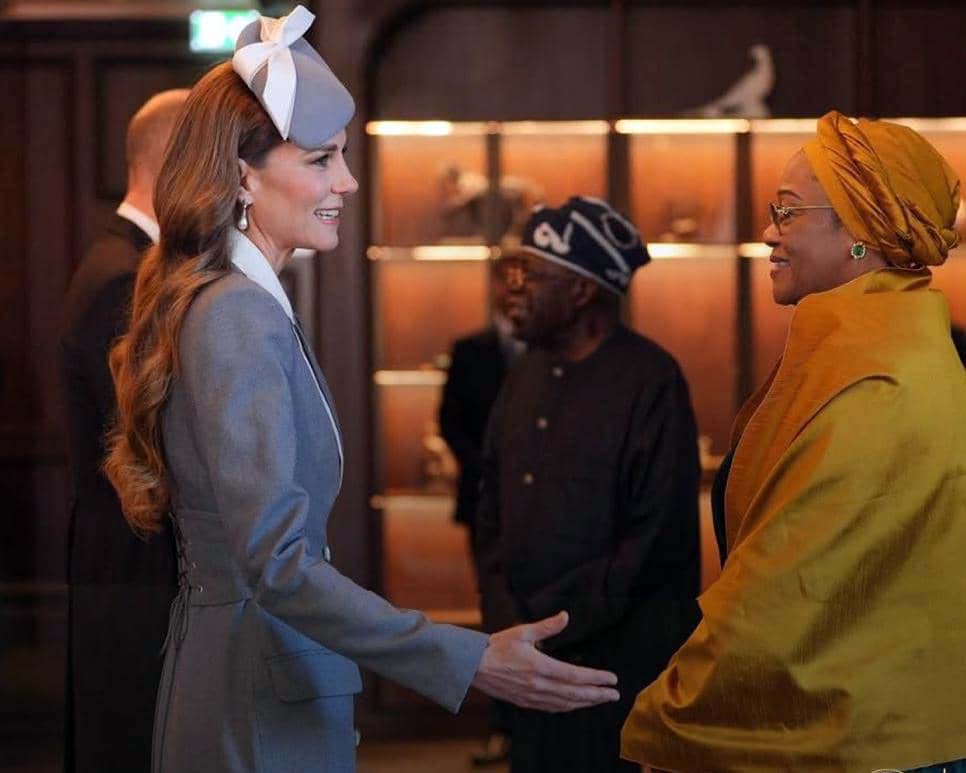
The visit, the first of its kind in 37 years, comes at a moment of both opportunity and challenge. While discussions are expected to deepen economic cooperation—particularly in trade and financial services—the backdrop of security concerns in northeastern Nigeria, linked to insurgent violence, casts a sober reminder of ongoing domestic pressures.
Still, the tone of the visit remained forward-looking. As articulated by Nigeria’s government, the engagement seeks to transform historical ties into a modern economic alliance—one where trust becomes a platform for shared prosperity.
In Windsor’s historic halls, where tradition often speaks in whispers, this gathering carried a clearer message: that the future of UK–Nigeria relations will be written not only in diplomacy, but in the lived connections of their people.